Parul’s
Influence
Playbook ✨
A personal distillation of influence, persuasion, power, and behavioral change designed to help my future self remember, orient, and use course concepts.
Enter My Playbook
Current Fitness, Not Fixed Traits ✨
One of the most important ideas from this course was that influence behavior is not a fixed personality trait. My Leverage Inventory helped me see my current influence habits and what I need to develop next.
Hammer–Scarecrow
My influence profile showed that I naturally lean toward decisiveness, directness, action, and tolerance for pressure. I move quickly and focus on outcomes. That can be useful, but it also means I need to slow down, read the room, and practice smart power more intentionally.
Become More Multiple
The goal is not to abandon my strengths. The goal is to expand my influence toolbox by pairing hard work with situation awareness, patience, logos, intentionality, and stronger coalition building.
My Influence Dashboard ✨
Actual course graphs and Leverage Inventory visuals as a mirror for my current influence behavior.
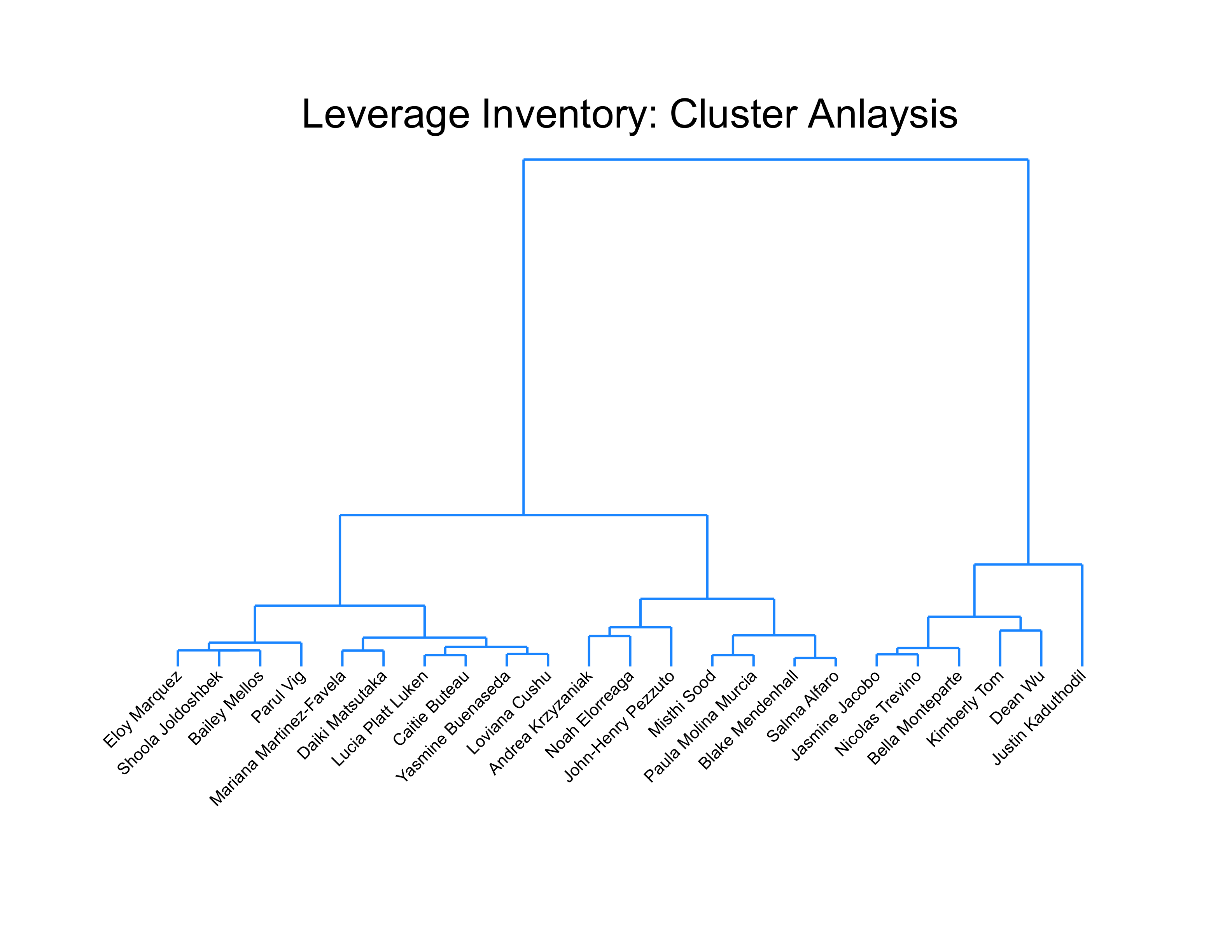
Leverage Inventory: Cluster Analysis
Seeing my name in the class cluster analysis made influence feel concrete instead of just theoretical.
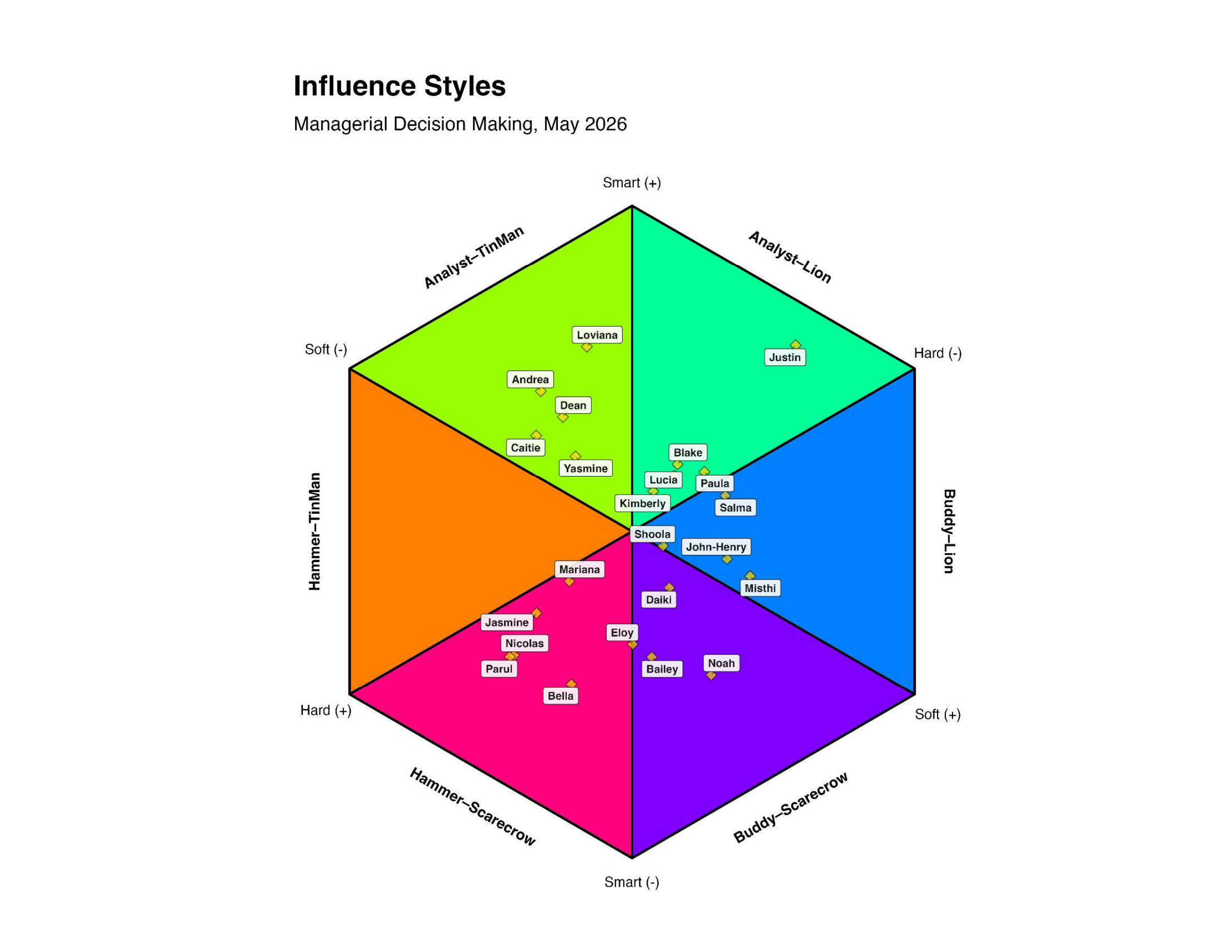
Influence Style Map
This style map shows relative influence patterns. Style is a starting point, not a fixed identity.
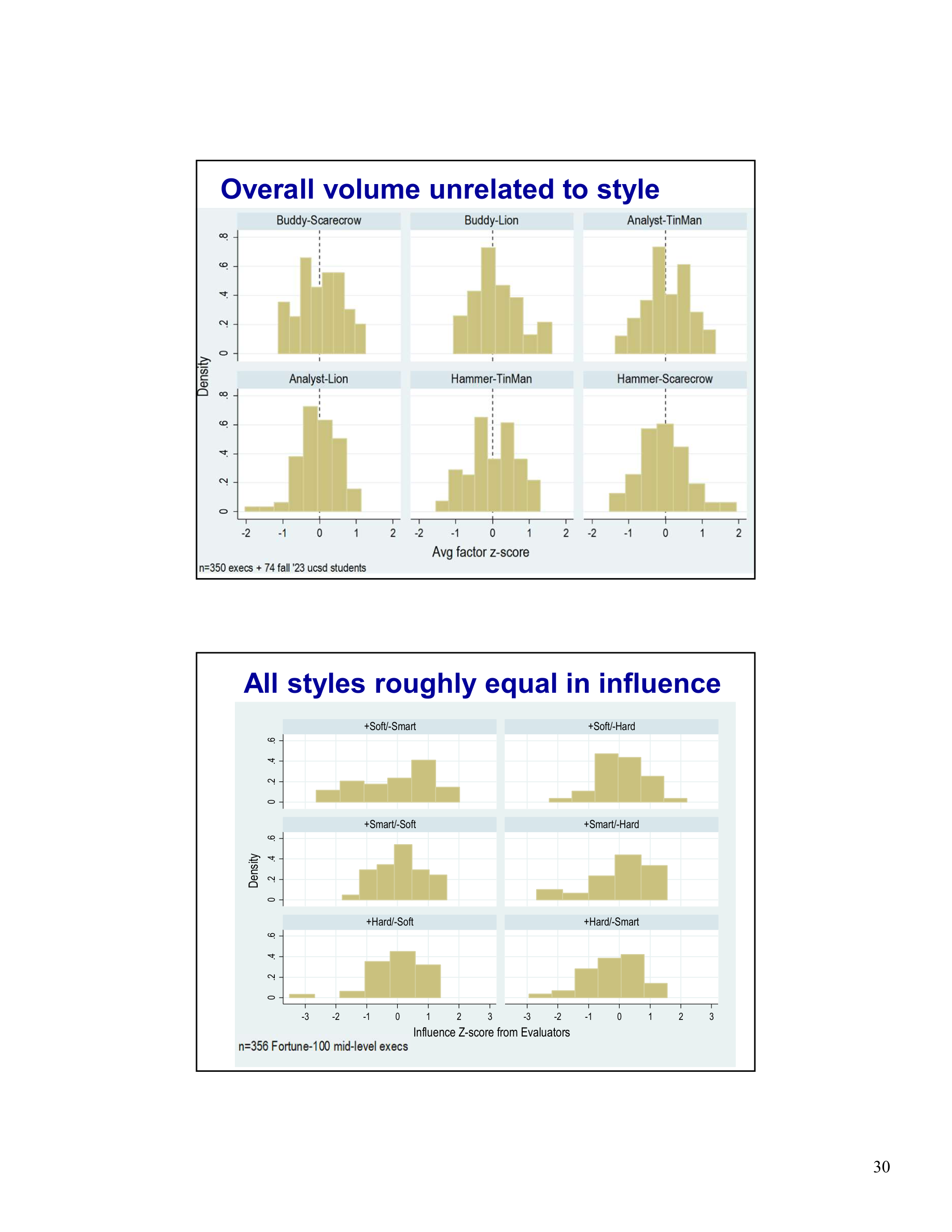
Overall Volume Unrelated to Style
High-volume influencers come in all styles. I do not need to become someone else to become more influential. I need to practice and become more flexible.
Hard · Soft · Smart Power
Smart power helps determine when, where, why, and how to use hard and soft power. For me, this is the bridge between action and judgment.
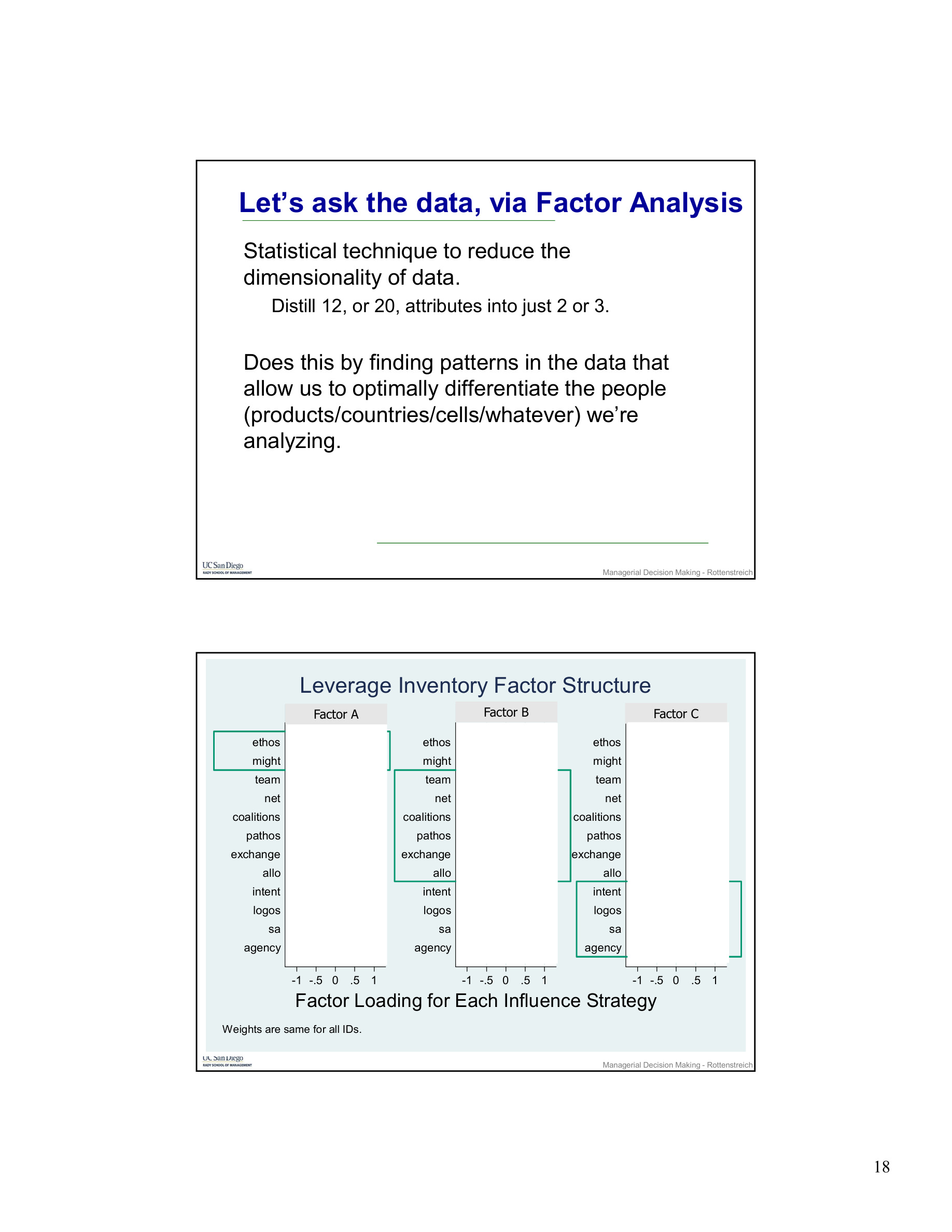
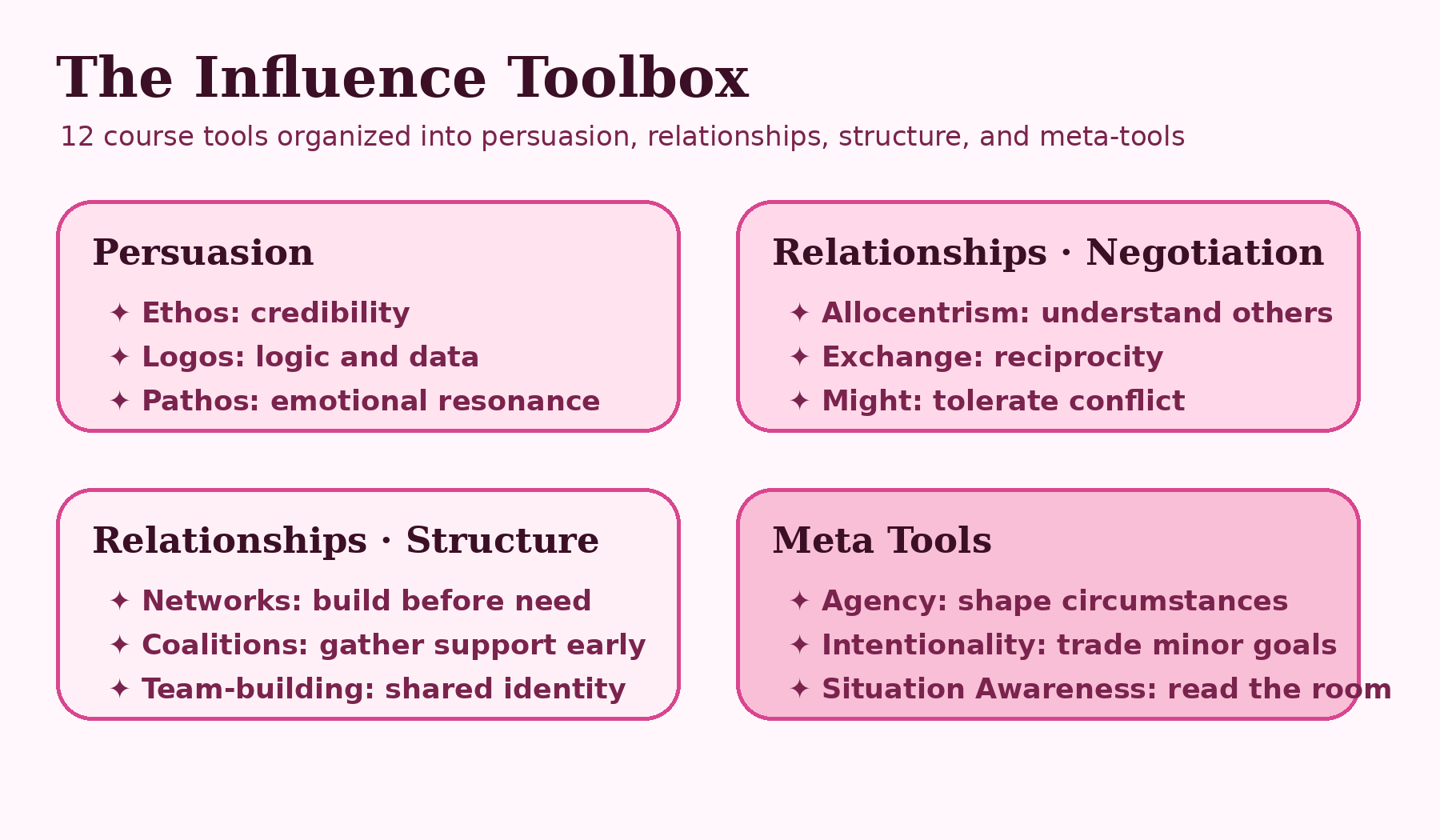
The Influence Toolbox ✨
The 12 course tools I want to carry forward instead of relying only on my default moves.
Professor Sparkle: Words I Want to Remember ✨
“Power accretes, through habits and layers.”
My translation: small moves compound.“There is only one way to become more effective… practice.”
My translation: influence is trained.“What’s critical is to learn from experience.”
My translation: reflection matters.Networks are earned, not built.
I need to build relationships before I need them. Networking should be a way of life, not a last-minute tool.
Stories beat spreadsheets.
Facts matter, but people remember stories. Sticky ideas use simplicity, unexpectedness, concreteness, credibility, emotion, and stories.
Know the line before pressure arrives.
Pragmatism can be useful, but without principles it becomes dangerous. I need to know what I will not sacrifice before the situation tests me.
Prescriptions for Future Parul ✨
The project moves beyond ideas into commitments I can actually practice.
Have the meeting before the meeting.
Before big decisions, build support early and understand concerns privately.
Build relationships before I need them.
Treat networking as a way of life, not as a transaction.
Use story before spreadsheet.
Use evidence, but package it in a way people remember.
Read the room before making the move.
Practice situation awareness before reacting with speed or force.
Invest in coalitions, not just effort.
Implementation often fails without support.
Know my ethical lines.
Do not let ambition or pressure turn influence into manipulation.
AI Disclosure ✨
AI was used for technical website design support and formatting.